
Matching refugees with volunteers without exposing anyone
Global Shout · October – November 2021 (6 weeks)
A privacy-first platform connecting volunteers with Afghan refugees arriving in Northern Virginia.

- ClientGlobal Shout (nonprofit)
- My roleUX Strategist and UX Designer
- Team2: me and 1 front-end engineer
- Timeline6 weeks, October – November 2021
- Result: Role-based portals replaced manual matching; 100% volunteer activation rate.
The business problem
In October 2021, Global Shout set out to connect volunteers with Afghan refugees arriving in Northern Virginia, offering clothing, housing, language help, and more.
Coordination was manual and unstructured, with no privacy protections. Matching people took heavy admin effort, and it couldn't scale.
Who I had to bring along
Refugees
Long-term, multilingual help without their details being exposed.
Volunteers
Nearby requests that match their skills, on a phone.
Admins
Control over who sees what, and approval of financial help.
Leadership
A platform that could grow beyond one community.
What we learned
I studied volunteer coordination and crisis support platforms to find patterns worth borrowing and pitfalls to avoid. The administrator commended the system's ability to quickly connect with refugees in times of critical need.
Insight 01
Proximity and skill filters make matching work
Evidence: VolunteerMatch's filtering model.
Insight 02
Privacy and scale must be designed together
Evidence: Crisis Text Line's approach to sensitive conversations.
Insight 03
Role-based access protects sensitive records
Evidence: role-based authentication patterns.
The decision
Open board of every request
Fast for volunteers, but exposed refugees' personal details.
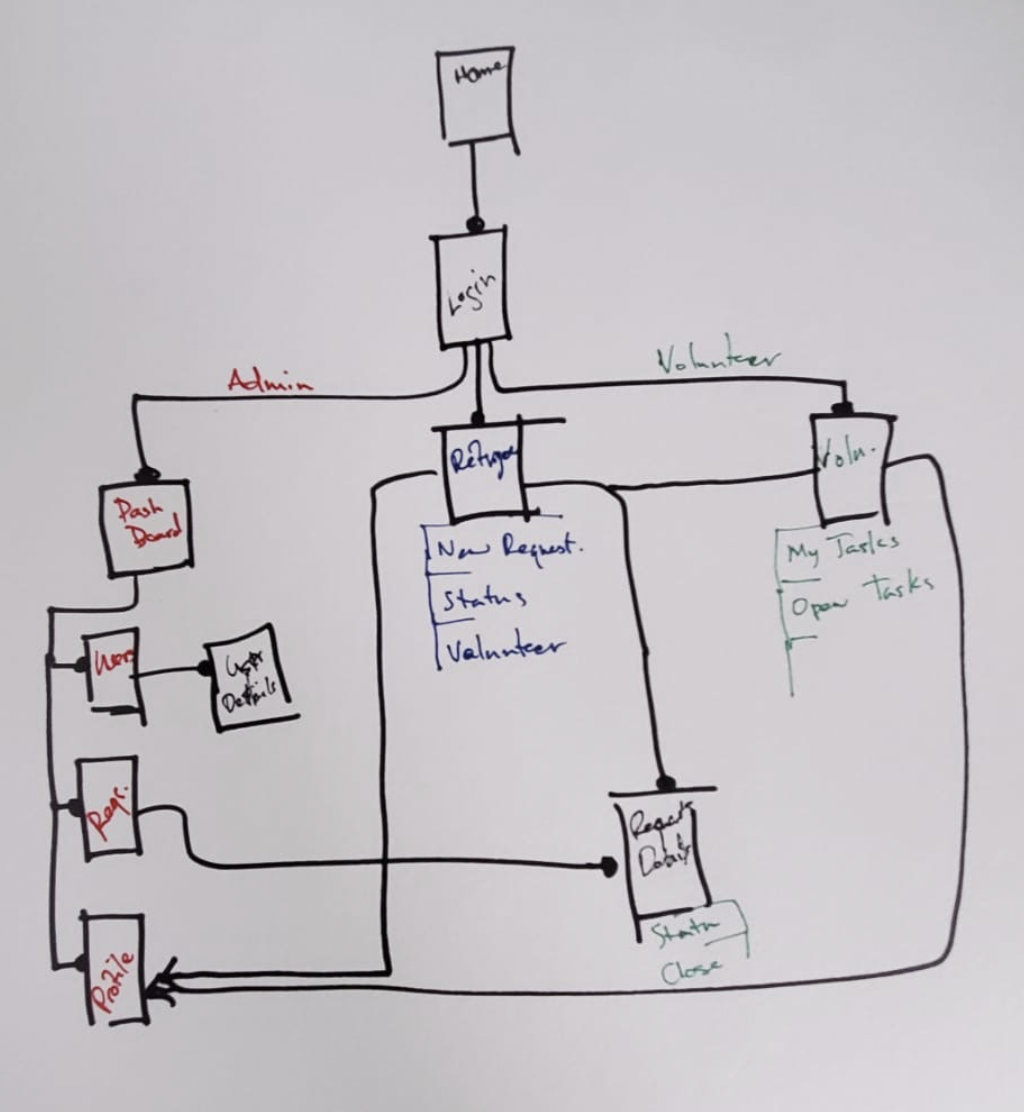
Role-based portals with admin-controlled visibility
Volunteers see only matched requests and the fields admins allow.
Tradeoff: Matching depends on admins, which adds a step. I also limited how often one volunteer could serve the same refugee, to prevent burnout and misuse.
Three roles, three experiences
Admin
Sets field visibility per volunteer, approves financial help, and tracks when all of a refugee's needs are met.
Volunteer
Filters requests by location and skill, sees assigned tasks first, and has limits on repeat service.
Refugee
Requests help by type and sees progress on each need, while their details stay private.
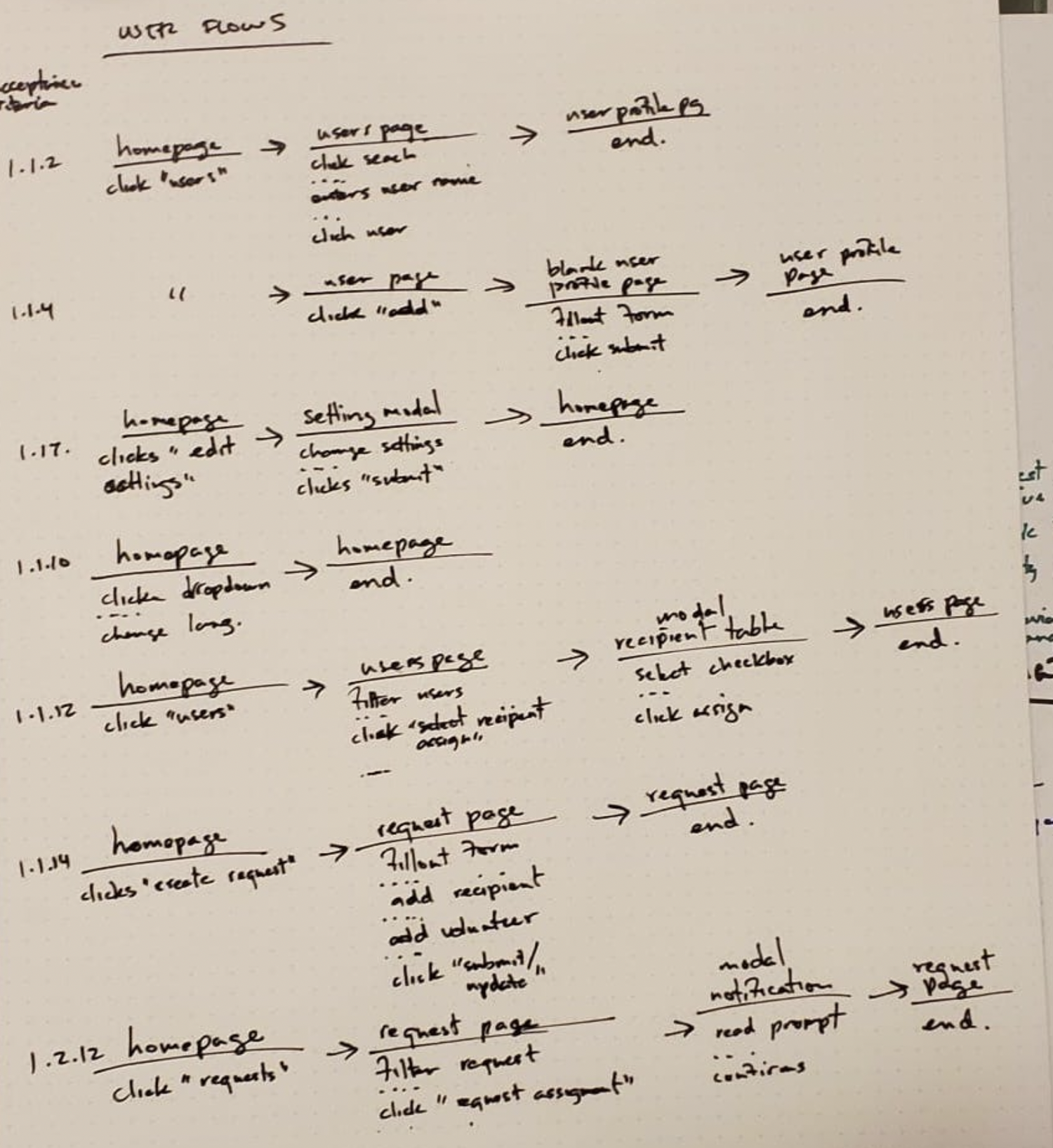
To get alignment, I wrote epics and user stories with acceptance criteria for each role, then reviewed them with Global Shout's coordinator to agree what six weeks would cover.
What shipped
Before
- Manual, unstructured coordination
- No privacy protections
- High admin overhead to match people
After
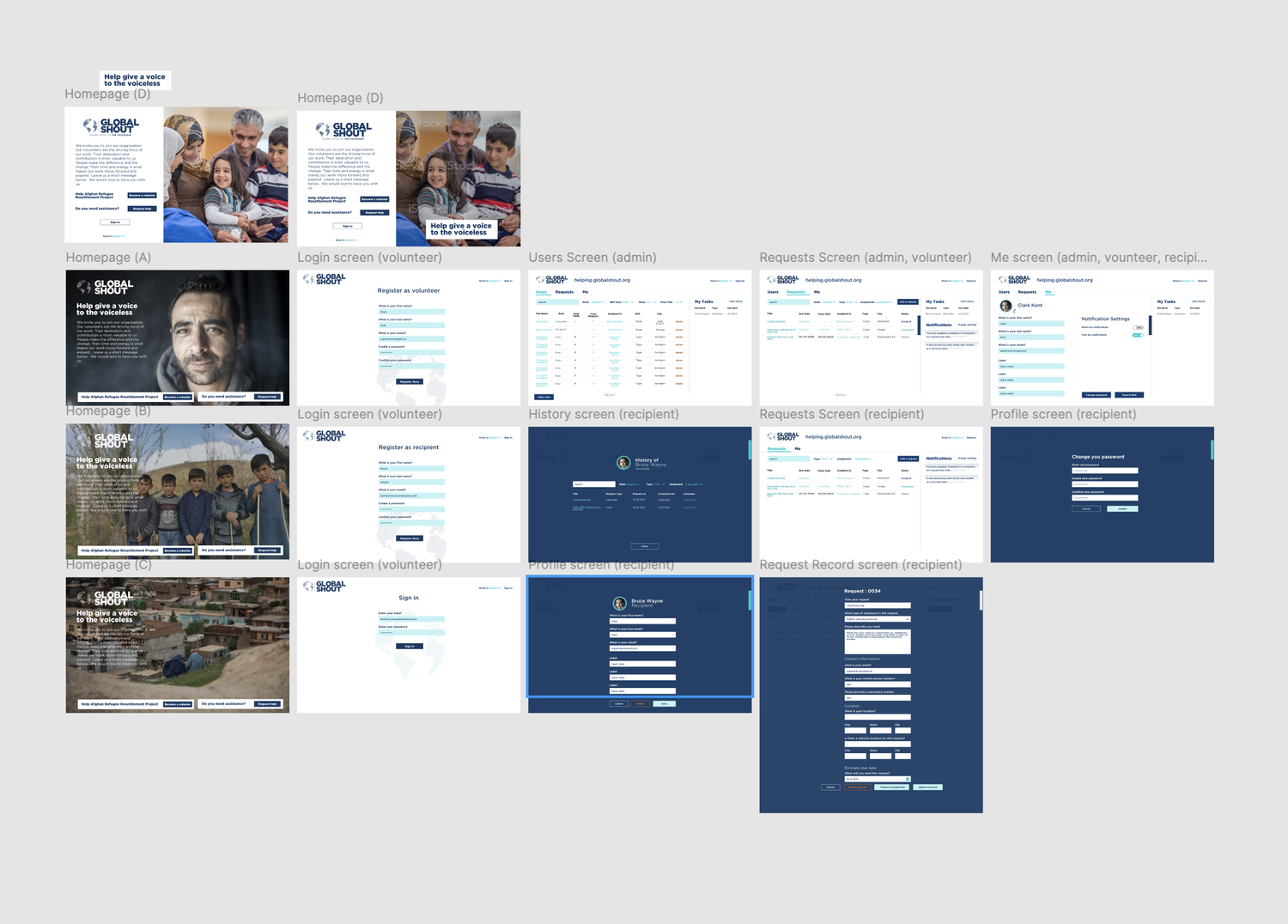
- Role-based portals for admins, refugees, and volunteers
- Field visibility and privacy flags
- Location and skill filters
Outcome
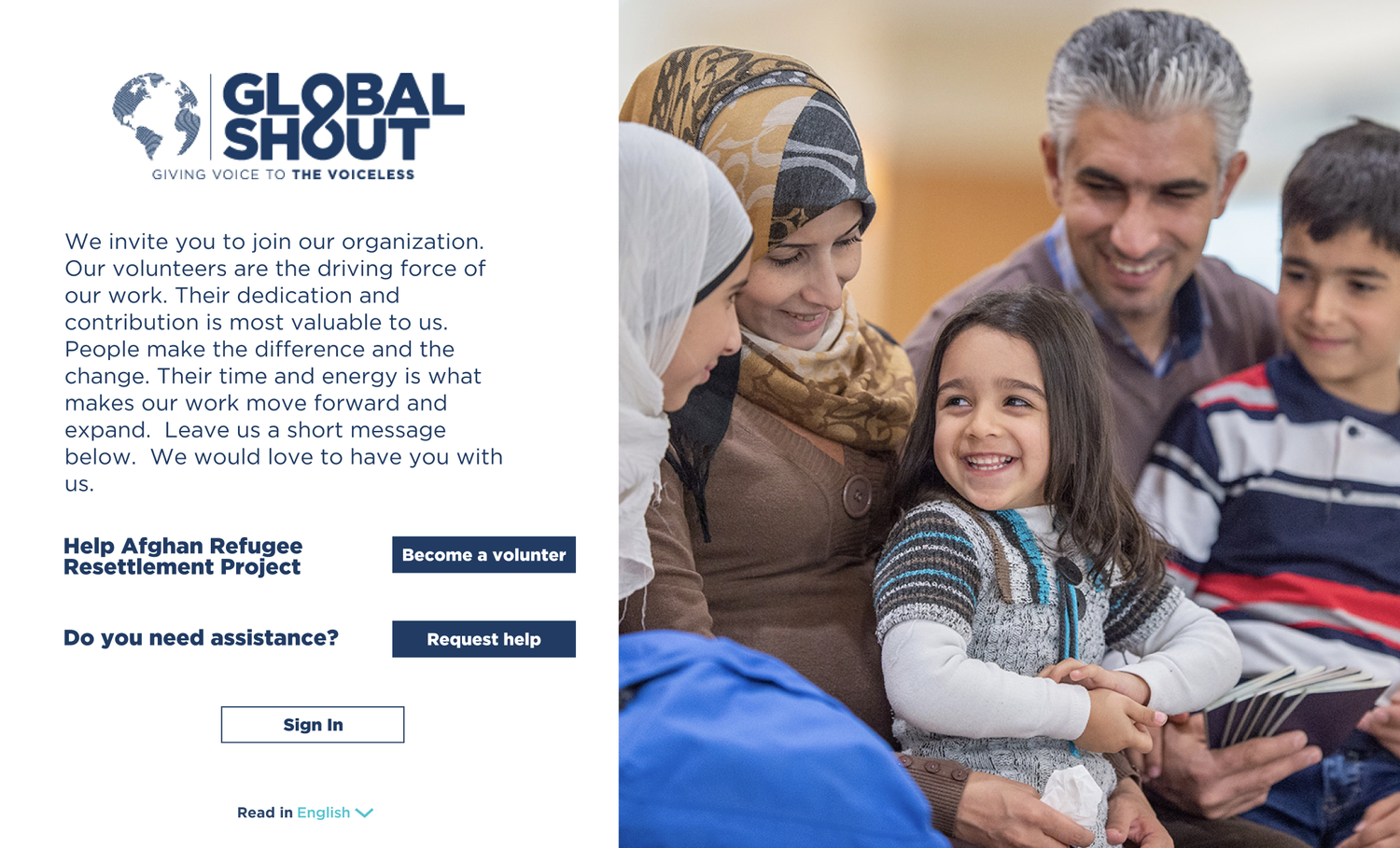
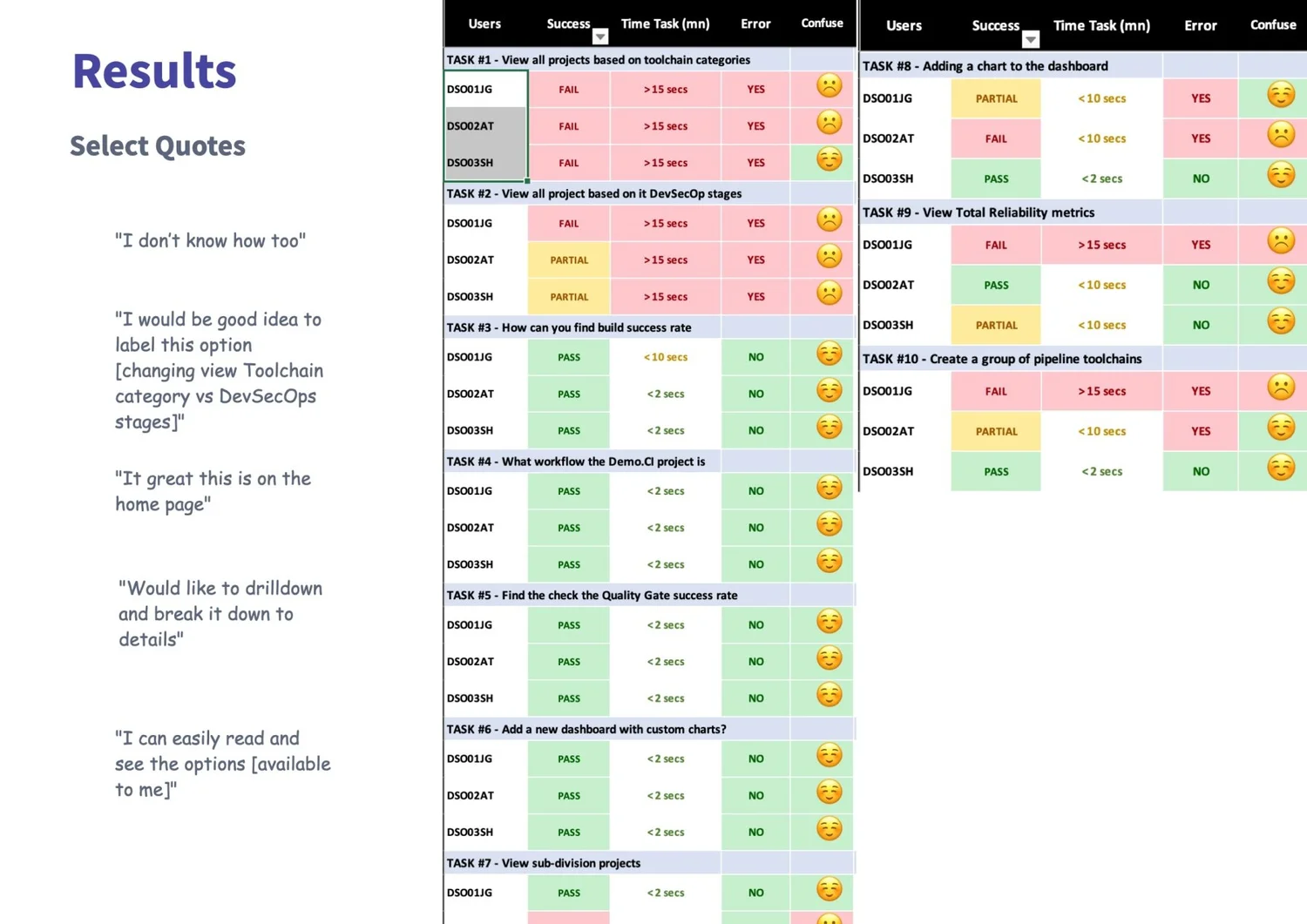
I tested clickable prototypes informally with admins and volunteers. Feedback focused on filter clarity, access control, and mobile use, so I reworded request types and gave assigned tasks and progress indicators more visual weight.
What I'd do next
Add an analytics dashboard so admins can see unmet needs and volunteer capacity at a glance. Then expand support to other refugee communities and regions, and test a support chatbot for live help.
View other projects


Let's talk about your experience strategy.